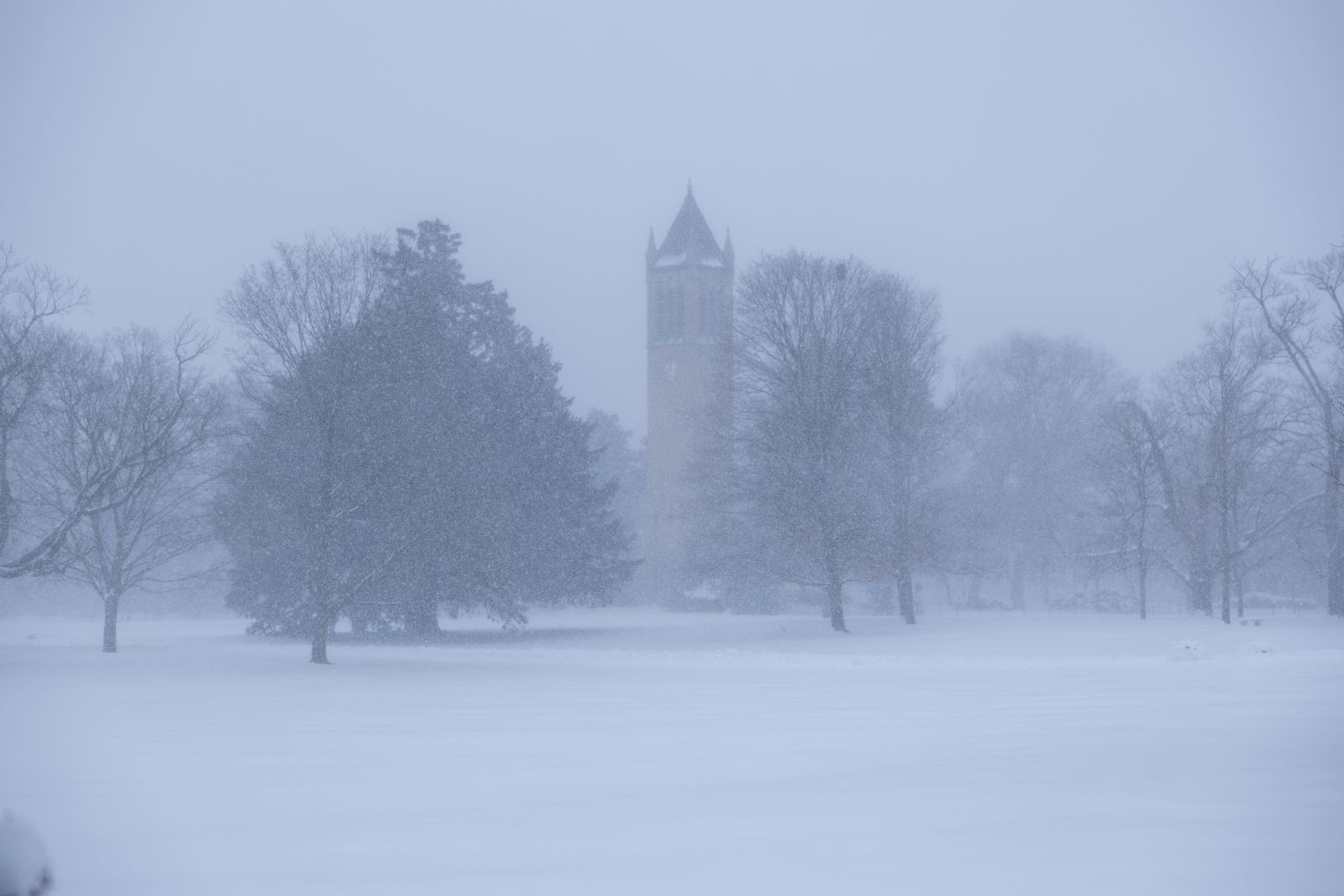
Well, I’m officially done with my first semester at Iowa State University. I had my finals on Tuesday, flew out from Ames on Thursday morning, arrived late Thursday night, and am now writing this blog from the University of Washington campus. The flight back into Seattle was a little bumpy, as we had a strong front come through Thursday night. Driving back up from the airport, I was surprised by how familiar Seattle felt. Then again, I’ve only been in Iowa for ~8 months now, and I’m still settling into Ames.
After stepping out of Sea-Tac airport and waiting outside in the ‘Arrivals’ terminal to pick up my ride, I immediately noticed how mild it was. Sea-Tac was at 50 degrees at 9pm when I finally arrived; so it was a little mild even by December Seattle standards, but it still caught me off-guard. For comparison, the coldest Ames has reached so far this year is 4, and windchills have dropped below zero at times. However, when commuting to the University of Washington this afternoon, I noticed just how gray everything was in Seattle. One of my family friends has likened Seattle winters to ‘living in a wet sock,’ and on dreary, dark midwinter days it’s hard to disagree with him.
This got me thinking: who has worse winters? Seattle or Iowa? Iowa’s are certainly more harsh, but Seattle’s are arguably more depressing. This blog will compare the winters in three main categories: (1) Temperature/Windchill, (2) Sunshine/Precipitation, and (3) recreational opportunities & culture. Though the last one is not directly related to weather, it is arguably the most important for thriving in the winter season.
First, a quick summary of the climates of both locations. In the Koppen climate classification system, Seattle has a ‘warm-summer Mediterranean climate’ with cool, wet winters and warm, dry summers, though it leans towards the cooler & wetter end of this scale. Ames has a ‘humid continental climate,’ with hot, humid summers and very cold winters. Seattle’s climate is heavily moderated by the Pacific Ocean, while Ames (and the Great Plains/Midwestern US as a whole) can see extreme seasonal temperature variations due to southerly winds from the Gulf of Mexico in the summer and northerly winds from the arctic in the winter.
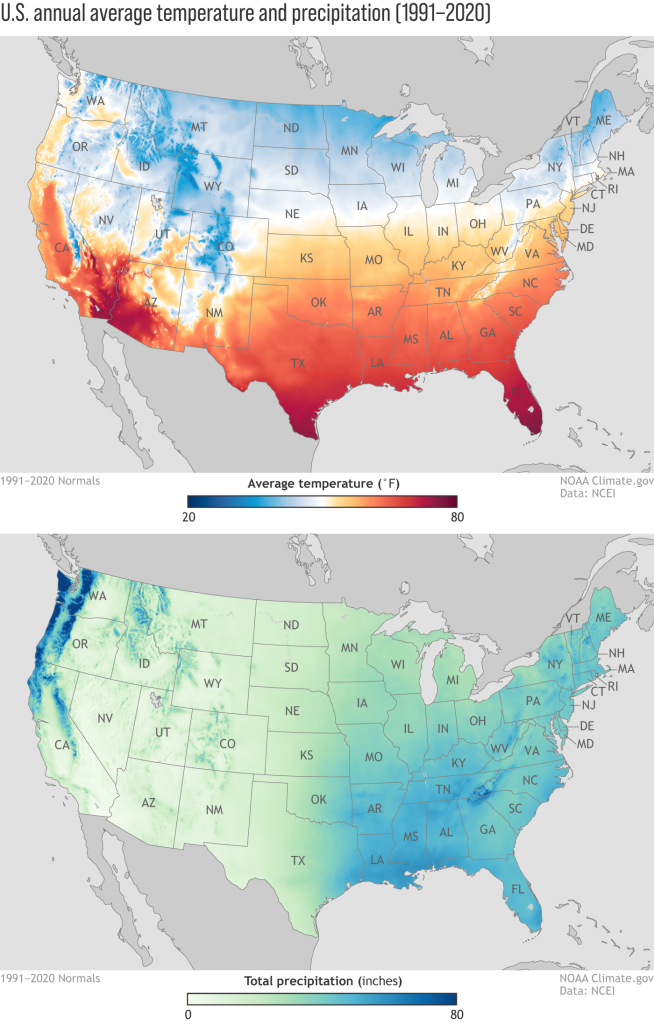
Interestingly, the yearly average temperatures and precipitation of both cities are pretty similar. Ames has an average temperature of 49.5 degrees with 35.90” of precipitation. Seattle has an average temperature of 53.7 degrees with 39.34” of precipitation. Seattle is slightly further north than Ames, and has a minimum daylight of only 8 hours and 25 minutes on the winter solstice, compared to 9 hours and 9 minutes for Ames.
Temperature and Wind
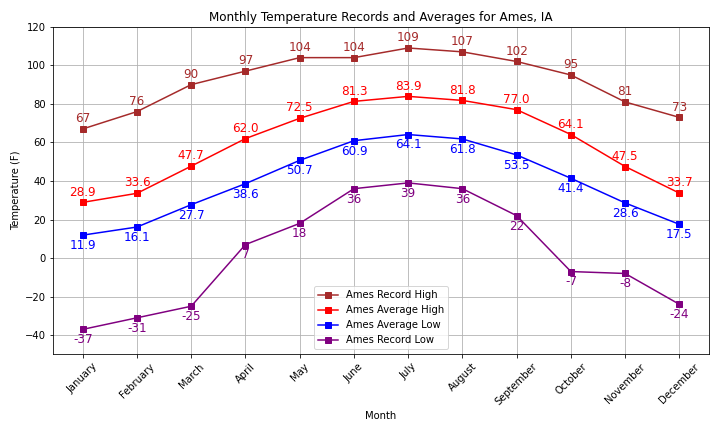
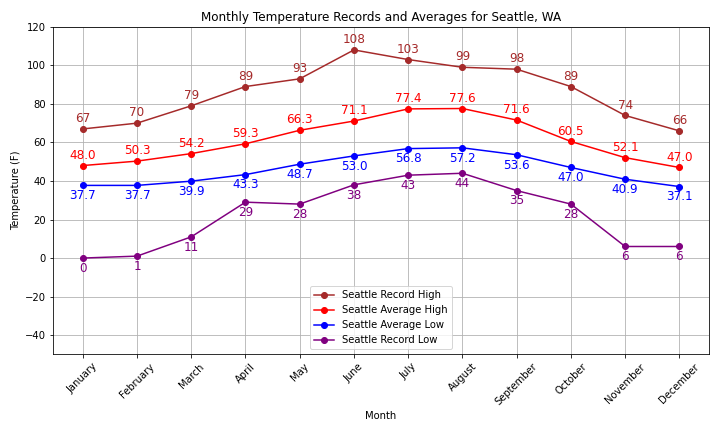
Below are the monthly averages and extremes of temperature for Seattle and Ames. Note that Seattle has never seen subzero temperatures, while Ames has recorded subzero temperatures from October through March! Additionally, Ames averages subfreezing lows from November through March, while Seattle never has a month with an average low temperature less than 37 degrees.
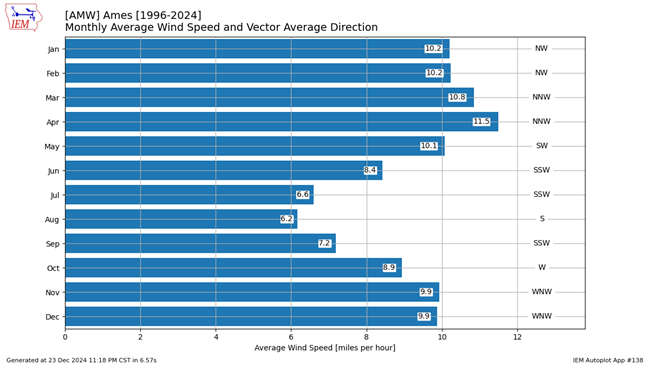
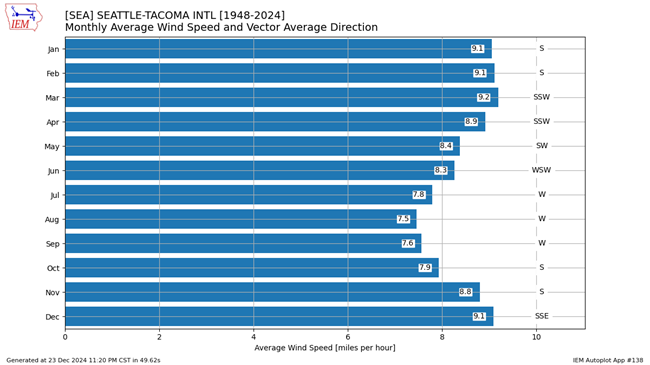
In addition to much colder temperatures, Ames also has stronger average winter winds than Seattle, and the prevailing wind direction is from the northwest. Ames sees windchills of -40 or -50 every few years or so, and they experienced windchills in range during January 11-13, 2024. I still remember hearing stories of Iowa voters trying to make it out to the caucuses (January 15) in the extreme cold.
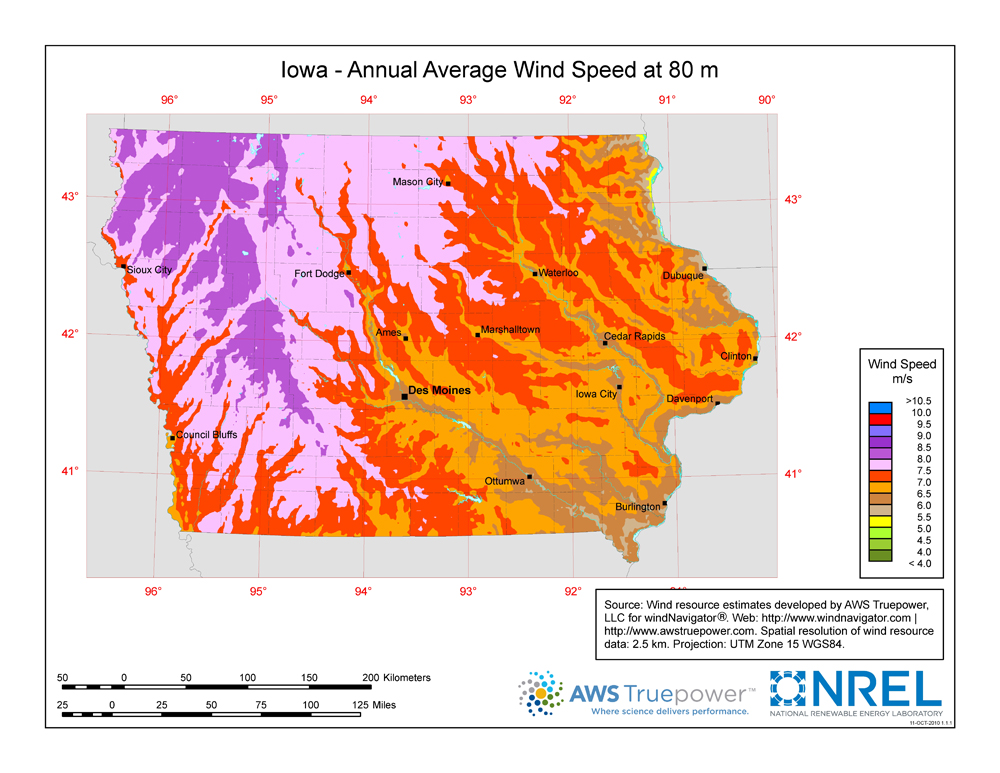
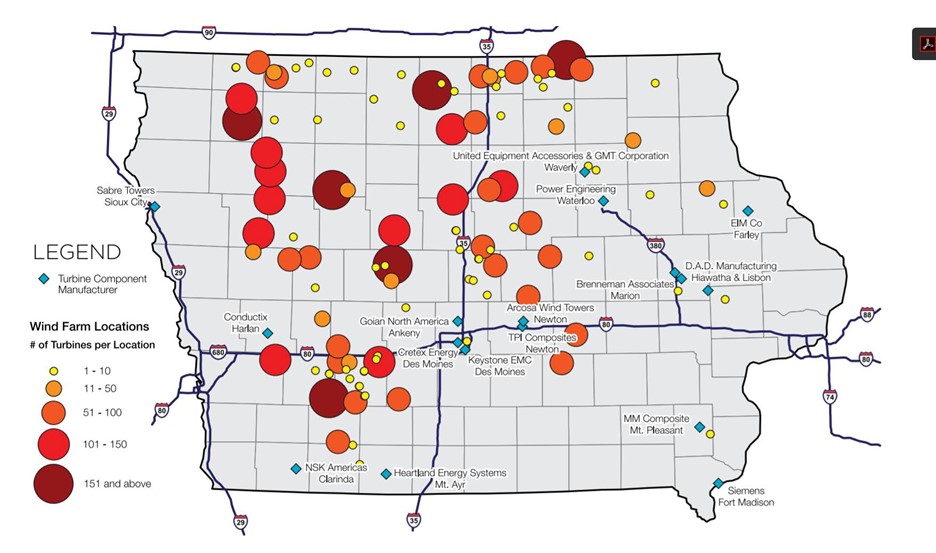
Additionally, Northwestern Iowa tends to see much harsher winter winds than southeastern Iowa. Here, the terrain is flatter, the elevation is higher, the vegetation is sparser, and the whole area is just far more exposed. Northwestern Iowa has the state’s highest concentration of wind farms, and from talking with some lifetime residents, winters are far more manageable once you get south of Des Moines due to the lower winds. Indeed, many native Iowans I’ve talked to say that the winter temperatures over Iowa are manageable, but it is the wind that truly makes the winters brutal.
In conclusion, Ames is far worse than Seattle with regards to winter temperatures and winds. Not only is Ames much colder and windier than Seattle, but the prevailing wind direction is from the northwest, and arctic outbreaks themselves are often accompanied by a strong burst of northwesterly winds.
Sunshine and Precipitation
Due to its northern latitude and steady parade of winter storms, Seattle experiences some of the lowest winter sunshine of any major U.S. city. During the darkest months of December and January, Ames still experiences twice the amount of sunshine hours as Seattle.
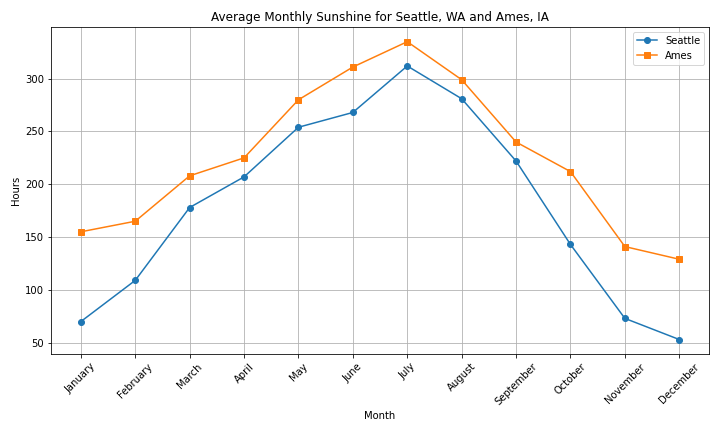
It’s hard to overstate the impact that this lack of sunshine can have on people’s mental health. According to Dr. Kira Mauseth, a clinical psychologist at Seattle University, 6-8% of Washingtonians experience Seasonal Affective Disorder (SAD), a mood disorder where individuals start to feel depressive symptoms at a particular time of the year. SAD is usually – but not always – a wintertime phenomenon, and its chief driver is a lack of sunlight. As a Seattle native, I feel that SAD can be particularly harsh for Seattleites due to the city’s relatively introverted culture (i.e. the “Seattle Freeze”) relative to other cities.
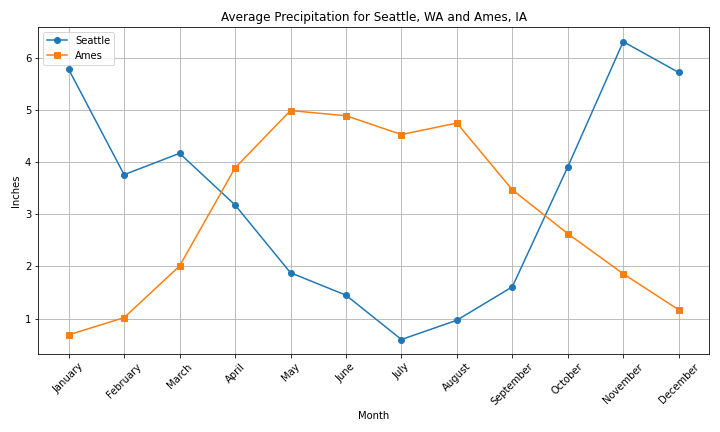
Though Seattle and Ames have similar yearly averages of precipitation, Ames gets most of its precipitation from short-lived, intense spring and summer thunderstorms, while Seattle gets a steady parade of fronts and light rain throughout the winter months. Seattle has far more rainy/snowy days per year compared to Ames, with approx. 150-170 days compared to ~100 days in Ames.
In addition to having less sunshine, Seattle has so much less variability in its wintertime climate than the Midwest. For example, Ames will approach the 50s this weekend but fall back to the 30s next week with a chance for snow. Meanwhile, Seattle is expected to be in the upper 40s or low 50s every day for the next 10 days with rain expected nearly every day. Even though the temperatures are less harsh, the monotony and dreariness of Seattle weather can really take a toll.
Activities and Culture
When trying to survive a long winter, it’s important to have some winter activities to keep you busy. When I meet people new to the Pacific Northwest, one of the first things I recommend to them is that they pick up some sort of winter sport. The cold Seattle drizzle becomes a lot more bearable when you are looking forward to that new snowshoeing adventure or cross-country ski trip up in the Cascades.
The Pacific Northwest is far superior to Iowa for wintertime recreation. We have skiing and hiking in the mountains, endless things to do in the city, and even storm watching along the coast. Iowa obviously doesn’t have the same grandeur as the Pacific Northwest, but there are still beautiful parks close to Iowa State University to go snowshoeing or cross-country skiing in. Seattle wins here, but based on my 6 months living in Iowa so far, it is not as lacking for outdoor activities as I initially worried when I first moved there. Additionally, Iowa State University and downtown Ames both have many wonderful wintertime events; far more than I could possibly attend as a full-time grad student.
In conclusion, Iowa has brutal, harsh winters with extreme cold, but the sunny days make winter bearable and the changing weather keeps things exciting. Seattle is much milder but is also darker and more depressing, but you can easily escape to the mountains to play in fresh snow and escape the grey monotony of the lowlands. Seattle’s wintertime dreariness can persist well into spring, while Iowa is firmly out of winter by mid-March and experiences a distinct spring season characterized by severe thunderstorms and tornadoes. The trick to surviving both winters is to wear the right clothing, keep as active as possible, and have a community to enjoy the winter with!